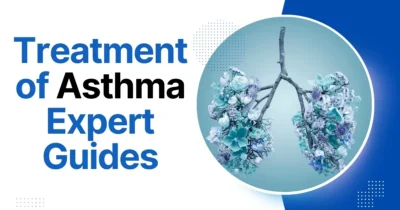
Asthma is a chronic respiratory disease that affects millions of people worldwide. While there is no cure for treatment of asthma, there are many effective treatments available to help manage symptoms and prevent asthma attacks. In this guide, we’ll explore the latest treatment options and management strategies for asthma.
Understanding the basics treatment of asthma
Asthma is a chronic respiratory disease that affects the airways in the lungs. It causes inflammation and narrowing of the airways, making it difficult to breathe. Common symptoms of asthma include wheezing, coughing, chest tightness, and shortness of breath. Asthma can be triggered by a variety of factors, including allergens, exercise, cold air, and stress. It is important to work with a healthcare provider to develop an individualized treatment plan for managing asthma symptoms.
Identifying triggers and avoiding from asthma
One key aspect of managing asthma is identifying triggers and taking steps to avoid them. Common triggers include allergens such as pollen, dust mites, and pet dander, as well as irritants like smoke and pollution. Exercise can also trigger asthma symptoms in some people. By identifying triggers and taking steps to avoid them, such as using air filters or avoiding outdoor exercise during high pollen counts, individuals with asthma can better manage their symptoms and improve their quality of life.
Medications for treatment of Asthma
There are several types of medications used to treat asthma, including inhaled corticosteroids, bronchodilators, leukotriene modifiers, and immunomodulators. Inhaled corticosteroids are the most commonly prescribed medication for long-term asthma control, as they reduce inflammation in the airways. Bronchodilators, which relax the muscles around the airways, are often used as a quick-relief medication during asthma attacks. Leukotriene modifiers and immunomodulators are less commonly used, but may be prescribed in certain cases. It’s important to work with a healthcare provider to determine the best medication regimen for individual needs.
Inhalers and nebulizers helps for treatment of Asthma
Inhalers and nebulizers are two common devices used to deliver medication directly to the lungs for asthma treatment. Inhalers are handheld devices that deliver a measured dose of medication in the form of a mist or spray. They come in different types, including metered-dose inhalers (MDIs) and dry powder inhalers (DPIs). Nebulizers, on the other hand, are machines that convert liquid medication into a fine mist that can be inhaled through a mask or mouthpiece. They are often used for people who have difficulty using inhalers or need a higher dose of medication. It’s important to use these devices correctly and as prescribed by a healthcare provider for optimal asthma management.
Lifestyle changes to manage from asthma treatment
In addition to medication, lifestyle changes can also help manage asthma symptoms. Avoiding triggers such as smoke, dust, and pollen can reduce the frequency and severity of asthma attacks. Regular exercise can also improve lung function and overall health, but it’s important to talk to a healthcare provider about a safe exercise plan. Maintaining a healthy diet and managing stress can also have a positive impact on asthma management. It’s important to work with a healthcare provider to develop a comprehensive asthma management plan that includes both medication and lifestyle changes.
==========
Editorial Review: This article has been prepared and reviewed by the Nursing Knowledge Editorial Team using standard nursing textbooks, peer-reviewed medical literature, and trusted clinical guidelines from recognized healthcare organizations, including the World Health Organization (WHO) and other authoritative sources. Every effort is made to ensure the information is accurate, evidence-based, and intended for educational purposes.
==========
Want to Explore More? Looking for nursing or competitive exam preparation? Visit our sister website, Learn For Exam, for study notes, MCQs, previous year question papers, exam updates, and comprehensive preparation resources for competitive examinations.
==========
Thank you for reading! If you have any questions, suggestions, or notice any inaccuracies in this article, feel free to leave a comment below or visit our Contact Us page. Your feedback helps us improve the quality, accuracy, and usefulness of our content.
==========
Health Disclaimer: The information published on Nursing Knowledge is intended for educational and informational purposes only. Although we strive to provide accurate, evidence-based, and up-to-date content, it should not be considered a substitute for professional medical advice, diagnosis, or treatment. Always consult a qualified physician or other licensed healthcare professional before making any healthcare decisions or starting, stopping, or changing any medication or treatment. Nursing Knowledge and its editorial team are not liable for any loss, injury, or damage arising from the use of the information provided on this website.
==========